Introduction
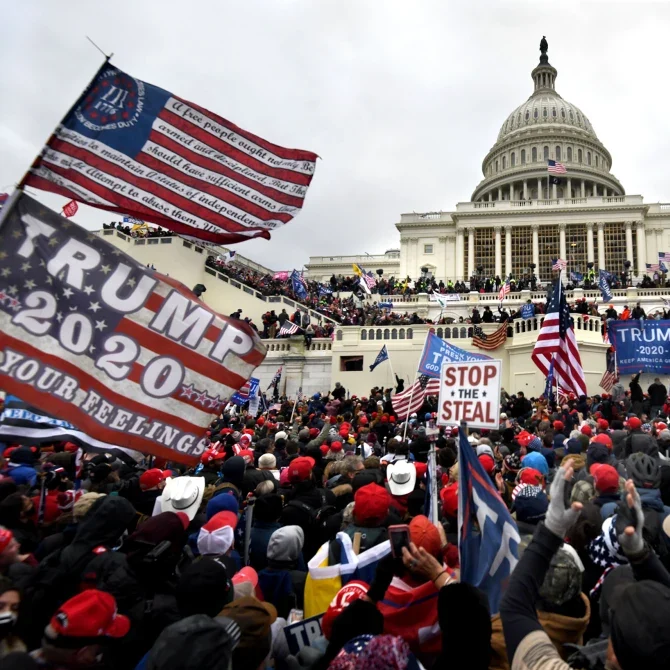
It’s January 2024. Three years since the Capitol Riots in Washington DC, that moment of terrorism we hoped would be the limit of right-wing extremism in the USA. Nearly two years since Putin’s Russia invaded Ukraine, hoping to ‘denazify’ the country by demilitarising it, harshly censoring its people, and destroying their national identity.1 Three months after Hamas attacked Israel and Netanyahu declared war against Palestine, a conflict that has led Amichai Eliyahu to call for Gaza to be nuked and to the deaths of over 22,000 Palestinian adults and children.2
In the wake of these months and years of violence and anxiety, gripped by terror that will only persist, where do we stand? Who are we, politically?
Take a look at the world. A panoramic view. Consider a single, unremarkable week from last year—those days between November 11th and 18th.
Begin with the UK. On November 13th, the Tories pressed onwards into disarray when Rishi Sunak fired Suella Braverman, the Secretary of State for the Home Department. In a letter to Sunak published the following day, Braverman bitterly criticised him for his failures to pursue her ‘authentic conservative agenda.’ That agenda would have Sunak curtail the Human Rights Act, a piece of legislation she once called the ‘Criminal Rights Act;’ constrain the reach of the European Convention on Human Rights or leave it altogether; reduce immigration with illegitimate deportation laws to stop migrants ‘grooming’ British children; and institute policies to protect ‘biological sex’ and ‘single sex spaces’ in schools. She further admonished the Prime Minister for failing to ban peaceful, pro-Palestine protests; in her eyes, these were illegitimate ‘hate marches’ that promoted ‘racism, intimidation and terrorist glorification.’3 Sunak is hardly a man of integrity or character. We wonder if he hesitated before Braverman’s agenda, though, as he was not quite as sure of its ‘conservatism’ as she.
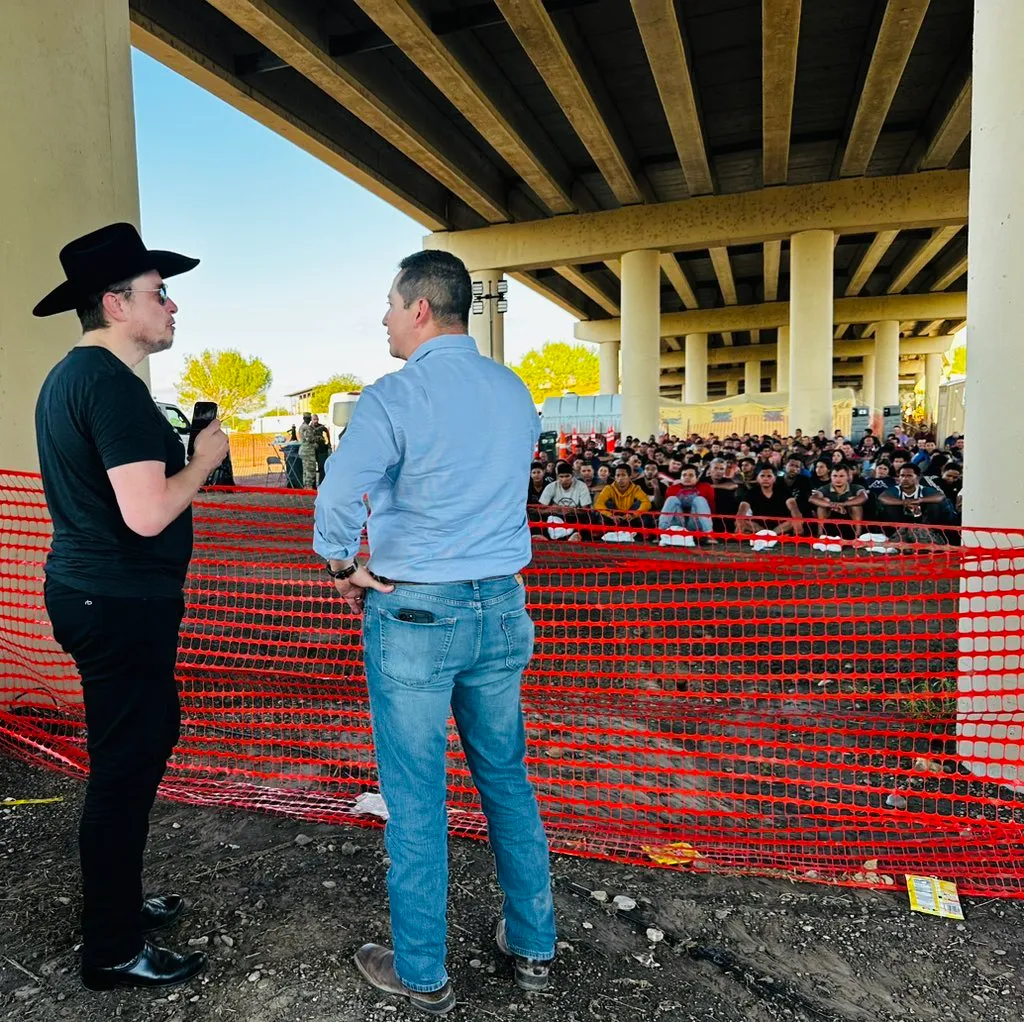
Look now to America. About two weeks before Braverman was fired, Elon Musk appeared on the Joe Rogan Experience podcast, where he discussed the noble aims that underwrote his acquisition of Twitter. The site is an ‘information technology weapon,’ he said, which was co-opted by the ‘extinctionist’ ‘death cult’ of leftists from Berkeley, California. Propagating their ‘woke mind virus,’ the site had become an existential threat to civilisation; Musk bought it to protect free speech and save us all.4 Yet just over two weeks later—and two days after Braverman published her letter—Musk used his account to endorse a White supremacist, anti-Semitic conspiracy theory similar to that propagated by Robert Bowers, the man who murdered eleven Jews at a Pittsburgh synagogue in 2018. Anti-Semitic conspiracy theories, it seems, are neither a ‘mind virus’ nor an ‘extinctionist’ idea. For Musk, once the richest man alive and a self-proclaimed political ‘centrist,’ they are the ‘actual truth.’5
Even more troubling, though, was the speech made by Donald Trump on Saturday the 11th, five days before Musk’s tweet. Speaking to a crowd of supporters on Veterans Day, Trump delivered the most extreme statement of his intentions yet:
“In honor of our great Veterans on Veterans Day, we pledge to you that we will root out the Communists, Marxists, Fascists, and Radical Left Thugs that live like vermin within the confines of our Country, lie, steal, and cheat on Elections, and will do anything possible, whether legally or illegally, to destroy America, and the American Dream. The threat from outside forces is far less sinister, dangerous, and grave, than the threat from within. Despite the hatred and anger of the Radical Left Lunatics who want to destroy our Country, we will MAKE AMERICA GREAT AGAIN!”6
Commentators across the world were quick to note the parallels between Trump’s comments and speeches given by Mussolini and Hitler. Publications formerly hesitant to use the word openly called Trump a ‘fascist’ afterwards. Yet Steven Cheung, one of Trump’s advisors, quickly reassured these critics that they were mistaken. ‘Those who try to make that ridiculous assertion,’ he said, ‘are clearly snowflakes grasping for anything because they are suffering from Trump Derangement Syndrome and their entire existence will be crushed when President Trump returns to the White House.’7 Nearly three years on from the Capitol Riots and twelve months after Trump claimed that the 2020 ‘election fraud’ called for the ‘termination of all rules, regulations, and articles, even those found in the Constitution,’8 the true nature of Trump’s political aims has become undeniable.
See all this, now, alongside everything else we want to ignore but cannot forget. Remember Ron DeSantis’ Individual Freedoms Act that censored school and university curricula in Florida in 2023;9 remember Viktor Orbán’s comments about the perils of ‘race mixing’ in July 2022;10 remember the legislative attacks on trans people in Republican states across America all last year;11 remember that Italy elected Giorgia Meloni from Fratelli d’Italia as their prime minister, even though her party’s flag bore that infamous flame insignia; remember that Alternative für Deutschland, despite their neo-Nazi ties, have surged in popularity in recent elections, or that dozens of members of the far-right Reichsbuerger group were arrested just over a year ago for planning to overthrow Germany’s government in a coup d’état; remember when Suella Braverman decried the ‘luxury beliefs’ of the liberals who support migrants and asylum seekers, echoing Mussolini’s hatred for the ‘luxury commodity’ of internationalism;12 remember that three far-right parties won 13% of the vote in the Greek elections of June 2023, or that Marine Le Pen took over 41% of the votes in France’s presidential elections in 2022;13 remember, too, that in November last year, just days apart, Argentina chose Javier Milei as president, and Geert Wilders’ Party for Freedom won the election in the Netherlands;14 remember the far-right riots in Dublin on November 23rd, and the genocide in Gaza, still ongoing now with the approval of our leaders; and remember that Trump, in spite of everything—the crime, the lies and the hate—will almost certainly win the Republican presidential nomination for 2024, and possibly the presidential race.

Around the world, liberal nations and their politicians have been drawn toward a dark force—fascism. Our countries are not yet fascist. But we cannot doubt it any longer. Today, we stand before fascism. We have entered the era of ante-fascism. A vortex seeks to subsume us, to draw us into the fascist oblivion. And we believe we must try to steer away from this terrible future.
Now, more than ever, it is important that we think, that we see the change in our political climate. Liberalism threatens to give way to fascism—in our political systems and in the minds of voters. Fascism, though, doesn’t emerge from nothing, ex nihilo. Fascism is a response to history, to memory, to all that has happened over the months, years and decades that led to our present moment—a moment that could still open onto any number of other futures. Today, then, we must ask ourselves how and why fascism has colonised our futures. This means we must ask how the history that has made us and that we make every single day has made fascism alluring once more. It means we must ask how liberalism is responsible for fascism.
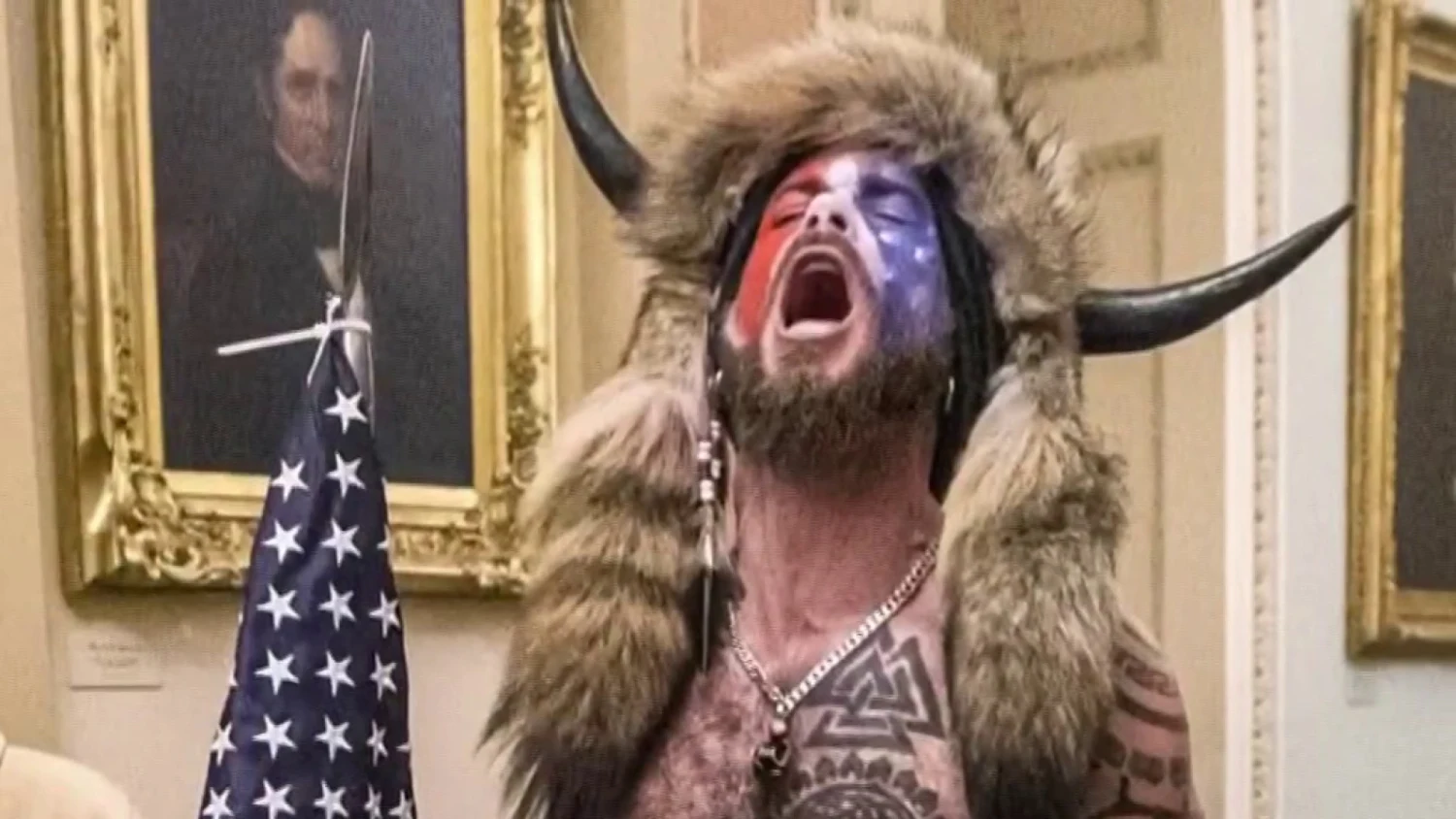

Liberalism gives way to fascism—both in our minds and our societies. Psychologically, politically, and socially, liberal nations and people are vulnerable to fascism. To put this another way: in different times and places, liberals somehow come to find fascism appealing.
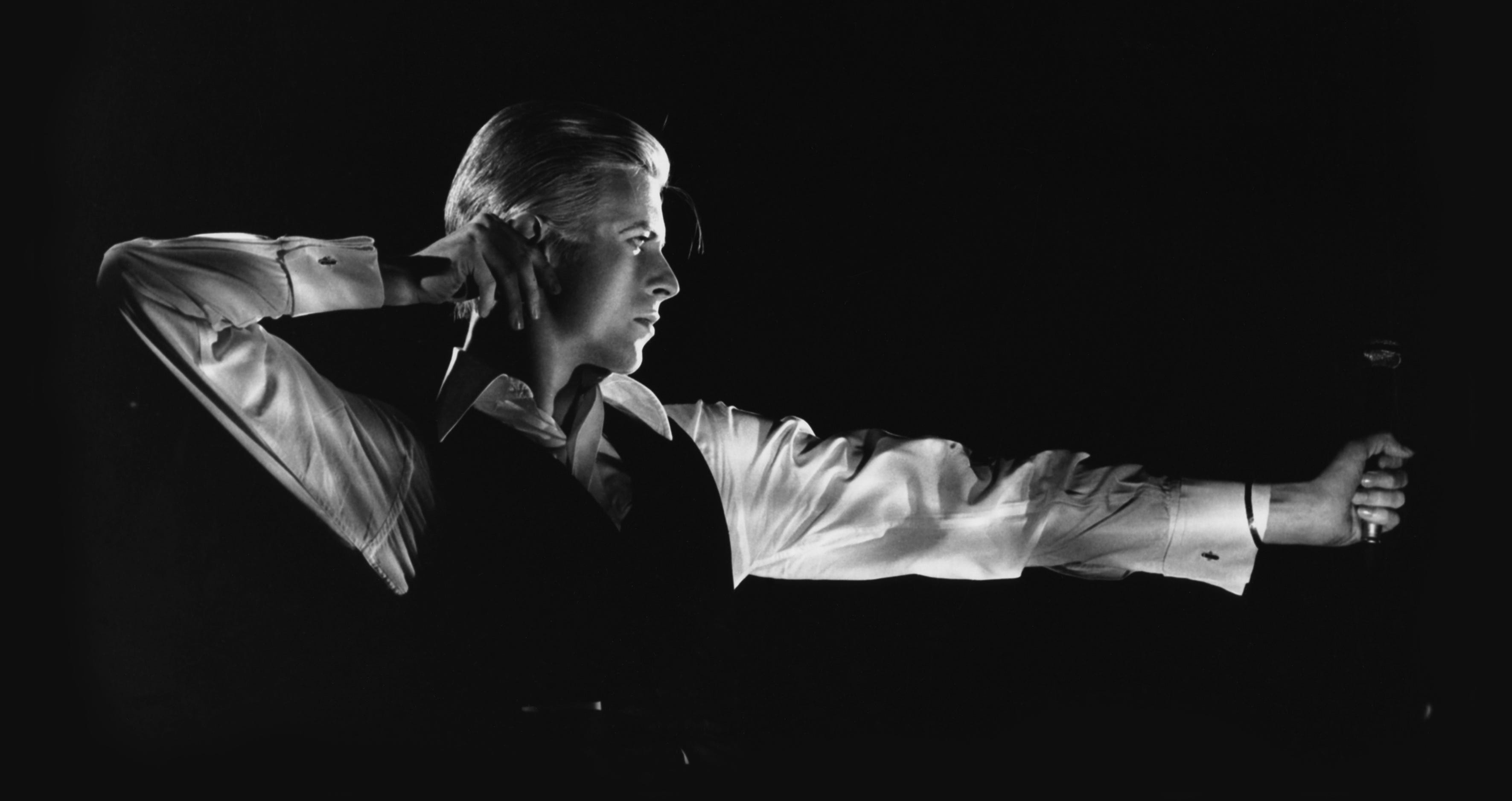
To understand this vulnerability, this seductiveness, Infinite Discontent looks to the last eighty years to develop a ‘psychosocial’ understanding of the present moment—one that explores how our societies and minds both determine and are determined by one another at the same time. Beginning with the closing days of World War II, when America dropped the atomic bomb on Japan, and moving through events like the space race, the collapse of the Bretton Woods system, the rise of neoliberal politics, 9/11, the wars in Iraq and Afghanistan, the Global Financial Crisis, the COVID-19 pandemic, and more, we sketch the history of the emotions, ideas, dreams and traumas that underwrite today’s fascist movements. We also look to the lives and minds of individuals who lived these histories and moved from liberalism to fascism themselves—people like David Bowie, Jordan Peterson and Kanye West, all of whom were drawn to fascist politics after moments of personal crisis.
This series of essays is based on ideas developed in its companion book, Infinite Discontent: Writings on the Allure of Fascism. To put it simply—and with credit to George W. Bush—fascism is a ‘War on Terror.’ Born in times of ‘ontological crisis’ where events threaten the being of a society and its people on all levels, fascism emerges as a defence against the disintegration, which is always psychic and social at once. Fascism aims to resolve this state of psychosocial terror and collapse by restoring the unity and greatness supposedly lost in the crisis; it does so by attacking the purported sources of chaos. Fascism is a tragic defence, though. Denying the true sources of the terror that so disturbs its followers, fascism draws people and nations deep into delusion. Plagued by fantasies of persecution and grandiosity, they attack people who bear no responsibility for the crisis, which deepens and grows as they leave their society’s problems unresolved. Gradually, their violence attracts the world’s opposition and their politics tends toward its logical conclusion: mass murder and suicide by provocation. Fascism begins to deny death; it ends in ruin.
In fascism, people choose madness and violence in place of a disintegrating reality they cannot face. With this idea in mind, we will explore how liberal societies have generated a series of overlapping, complementary and sometimes antagonistic ‘ontological crises,’ enormous in scope and apparently intractable in nature, that have plunged us into the state of terror and despair wherein fascism becomes appealing. Borrowing from Slavoj Žižek and Étienne Balibar, we believe our liberal political system has produced at least five crises that beset us today. These are the threat of nuclear war; climate change and worldwide ecological catastrophe; the digital technologies of surveillance, manipulation and domination, including social media and AI, which contribute to an emerging state of what Yanis Varoufakis calls ‘technofeudalism’;15 biogenetic problems like the global pandemic; and the instabilities, exploitation and inequalities caused by capitalist economies.16
Compounding upon one another, each crisis produces further issues that only heighten our sense of calamity: proxy wars that displace people; resource shortages that increase the cost of living; economic precarity; terrorism; rising rates of depression, anxiety, alienation, loneliness and suicide; the fragmentation of political bodies like the United States and European Union; ‘culture wars’ that become a front for dehumanising others and which hide the true cause of our problems; and more. All these crises combine today, destabilising both the present and futures of our societies; in response, individuals subjected to them experience their own ‘ontological crises,’ leading them to develop that ‘structure of feeling’ and belief so characteristic of our era—the sense of hopelessness, dread, fragility, rage, paranoia, and narcissistic woundedness. The conviction that all good futures have been lost. Fascism, we shall see, is a psychic and social response to the state of our emotions and our world.
Infinite Discontent traces a line through history, winding across the Möbius strip of the psyche and the social. The story it tells is divided into two parts, as well as three character studies, which together trace the lines between the personal and political. The first part begins with the life of Nazi propagandist, Karlfried Graf Dürckheim, who abandoned fascism for liberalism after the war, and inadvertently revealed how these ideologies are linked. It then turns to the atomic bomb and the ‘groundlessness’ it produced in our culture, before examining David Bowie’s life between 1973 and 1976, where the artist abandoned his liberal Ziggy Stardust persona for the fascism of the Thin White Duke. Following this, it considers the rise and fall of Keynesian economics and the Bretton Woods system, a collapse that opened the way for the instability, precarity and rapacious competition of neoliberalism.
Three extended character studies—“On Jordan Peterson,” “On Karlfried Graf Dürckheim” and “On Kanye West”—serve as an intermission between the first and second parts of the main essay, exploring the psychic and political links between liberal individualism and reactionary, fascistic politics as they appear in the lives of these singular figures.
The second part of the main essay series details the paroxysms neoliberal societies endured in recent decades—among them, 9/11, the Iraq/Afghanistan Wars, the Great Recession, and the COVID-19 crisis—in an effort to understand how those disasters, as well as Trump’s second administration, emerged from those earlier decades of crisis.
We tell this story because we believe we cannot understand today’s fascism unless we do so. More importantly, we also hope to find a new way to hope—with thought, we hope to find a way to face our present and resolve its problems without taking flight into the illusions of fascism.
Endnotes
See Technofeudalism.
See Žižek’s Living in the End Times and Balibar’s article, ‘Uncovering Lines of Escape: Towards a Concept of Concrete Utopia in the Age of Catastrophes.’