The Allure of Fascism (Vol. II), Part 14
The Democratic Party suffered a resounding defeat in the 2024 elections. It was the first time in two decades that they had received fewer votes for the presidency than a Republican candidate. Six million fewer voters cast their ballots for Kamala Harris in 2024 than for Joe Biden in 2020. Trump’s victory in 2024 must be understood as both a resounding Republican win and a devastating Democratic loss.
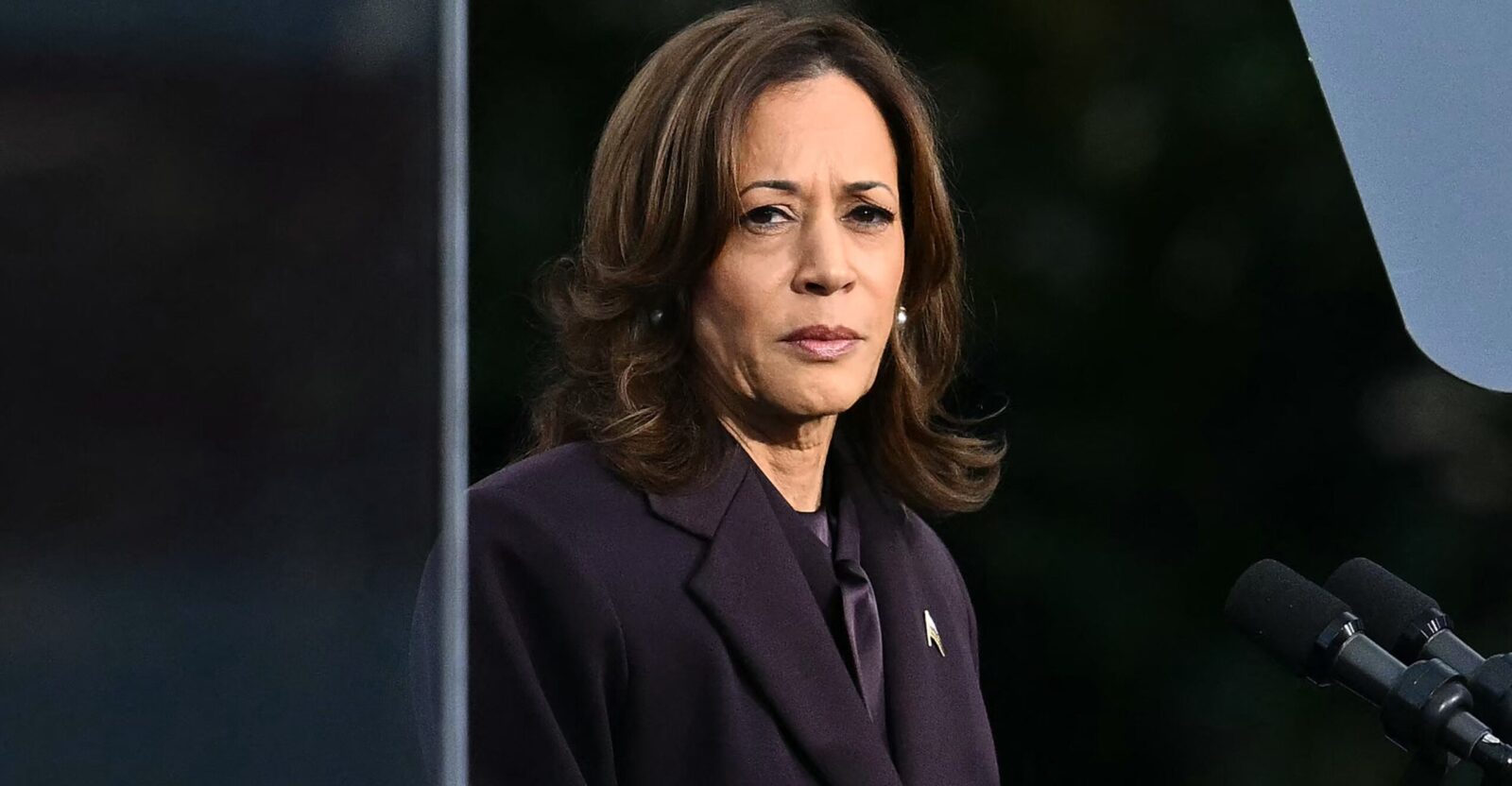
A variety of factors contributed to the collapse in support for the Democrats in 2024. Harris’s loss, Samuel Hammond wrote, was “wildly overdetermined.”1 The large rise in inflation worldwide after Russia invaded Ukraine and oil and gas prices rose certainly harmed the incumbent party, as did the corporate profiteering that occurred under the cover of the cost-of-living crisis.2 As Trump said in November 2022, “[f]or millions of Americans, the past two years under Joe Biden have been a time of pain, hardship, anxiety and despair.”3 Further to this, though, the Democrats once again failed to substantively address the economic factors—the inequality and insecurity of American capitalism—that made Trump appealing in the first instance, even at this time of intense economic discontent.
After Trump left office in 2021, the Democratic Party once again resorted to legal means in their effort to dispose of him and the MAGA movement. On November 18th, 2022—just three days after Trump announced his presidential campaign—the US Attorney General appointed Jack Smith as special counsel to oversee ongoing investigations into Trump’s handling of classified documents and efforts to overturn the 2020 election result on January 6th, 2021. The following year, Trump was indicted in four separate cases: first, for falsifying business records; second, for mishandling classified documents after he left office; and twice more for allegations of election interference. Trump was found guilty only in the business records case but suffered no penalties. The other cases, with their hearings delayed until after the 2024 election, were dropped or indefinitely suspended after Trump’s win.4 The lawsuits and indictments ultimately did not damage Trump or his movement, while providing material support for the movement’s claims about the corrupt Democratic “deep state” that sought to weaponise the law against a political opponent.

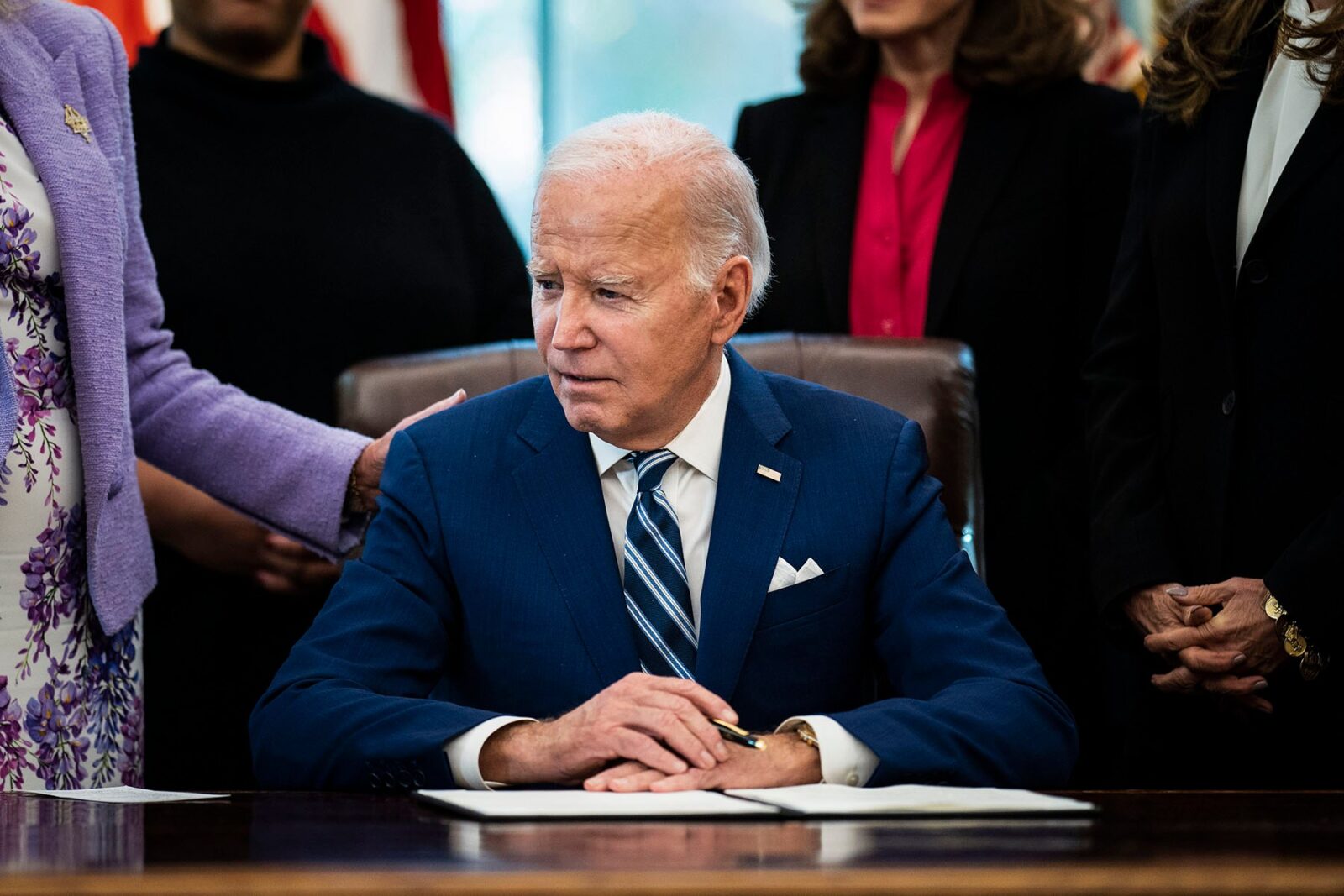
The Democratic Party’s presidential campaign against Trump was also a disaster. Biden’s cognitive decline became ever more apparent as his campaign progressed, culminating in his catastrophic debate performance against Trump on June 27th, 2024. During that debate, his unfitness for office became undeniable. Millions of voters then questioned why the Democratic Party allowed him to run again, and whether his administration had covered up the true state of his health in the preceding months and years.5 Amidst this mood of scepticism and despair, Biden withdrew his candidacy in late July, allowing Kamala Harris to become the Democratic Party candidate without a new primary vote.6 Harris was largely unpopular as Biden’s vice president, and chose not to distinguish herself meaningfully from the similarly unpopular president during her election campaign.7
Harris’s complex identity also undermined her appeal on both the left and right. As an African American and South Asian woman, Harris was fetishised as a kind of “exemplary minority” for liberal voters. Predictably, the racist and misogynistic political right treated her as a kind of phobogenic object, both questioning and attacking her identity. One speaker at Trump’s Madison Square Garden rally made the deeply racist statement that Harris and “her pimp handlers will destroy our country,”8 while Trump himself, speaking in front of “an audience of Black journalists in Chicago,” said he only recently became aware of Harris’ mixed-race background “when she happened to turn Black.”9 Further complicating things, Harris was also deeply identified with the political establishment. Elected as San Francisco’s district attorney in 2003 and as California’s Attorney General in 2010, Harris had been an establishment figure for decades when she campaigned against Trump. During her prosecutorial career, Harris referred to herself as “top cop.” In the post-BLM era, progressive voters accused her of aligning herself “with a system that conspires, through prison and policing, to harm Black people in America.”10 Seen as both “too woke” and insufficiently progressive, Harris’s identity ultimately undermined her appeal for certain sectors of the population.
Some voters were further alienated by Harris’s failure to stand against Israel’s genocide in Gaza.11 In August 2024, Harris said “I will always stand up for Israel’s right to defend itself and I will always ensure Israel has the ability to defend itself.” Though she noted her opposition to “what has happened in Gaza,” with “so many innocent lives lost,” Harris ultimately affirmed her “unwavering commitment to Israel.”12 As such, Harris did not propose “any concrete changes on U.S. policy toward Israel or the war in Gaza” and refused to commit to an arms embargo against Israel, despite the fact that Israel had obviously committed war crimes by killing at least 43,000 Palestinians in Gaza by November 2024.13 She also said nothing when 3,000 students were arrested in spring 2024 for protesting Israel’s genocide, some of whom later faced deportation for their actions.14
Though Harris’s campaign positioned the Democratic Party as a bulwark against Trump’s “fascist” movement, they promised to continue supplying weapons to a racist, genocidal state, while also arresting people who protested the violence at home. Doing so, they aligned themselves with Israel’s far-right violence, and with Trump and the MAGA movement, who they otherwise claimed to oppose. As in the COVID-19 pandemic, the Democratic Party chose authoritarianism over their supposed commitment to freedom of speech and democracy—a choice that cost them votes at the election.
Throughout his campaign for the 2024 election, Trump clearly telegraphed his authoritarian intentions. His rhetoric signalled that he and his administration would be more radically right-wing than before. The Democratic Party nevertheless failed to defeat Trumpism politically. They failed to cultivate enough desire for their own candidate; they also failed to eliminate or capture the desire for Trumpism that delivered victory again to Trump and his movement. Whatever the exact reasons, be it a weak candidate, economic discontent, or anger over the genocide, the basic nature of the failure is simple. Trump, writes Michael Tomasky, “made no secret on the campaign trail of wanting to round up millions and either detain them or ship them off. And the people elected him.”15 After the long decades of crisis, the desire for liberalism was weaker than the desire for fascism in the United States.